


 matt@aihealthician.co.uk


Choosing and preparing for functional health tests can feel overwhelming when you want real answers about your health. This guide walks you through every step, from selecting the right tests to interpreting results, so you avoid common mistakes and unlock precise, personalized wellness insights that standard labs simply cannot provide.
Table of Contents
- Understanding Functional Health Testing
- Preparation And Prerequisites Before Testing
- Step By Step Functional Health Testing Process
- Common Pitfalls And Troubleshooting In Functional Testing
- Expected Results, Timelines, And Success Metrics
- Safety Considerations And Official Warnings
- Alternative Functional Testing Approaches And Tradeoffs
- Explore Advanced Functional Health Testing With Aihealthician
- Frequently Asked Questions About Functional Health Testing
Key takeaways
| Point | Details |
|---|---|
| Functional tests reveal deeper insights | These assessments cover 1000+ conditions, detecting imbalances before symptoms appear. |
| Proper preparation cuts errors by 20% | Following collection protocols and prep guidelines ensures accurate, actionable results. |
| Results arrive in 2 to 4 weeks | Most labs deliver comprehensive reports within this timeframe for expert interpretation. |
| Health improvements show within 3 months | Personalized protocols based on test data produce measurable biomarker and symptom changes. |
| Safety depends on individual health status | Avoid testing during acute illness or pregnancy without medical approval. |
Understanding functional health testing
Functional health testing is a comprehensive approach that evaluates biochemical, physical, and genetic markers to uncover the root causes of health imbalances. Unlike standard diagnostic tests that focus on detecting existing diseases, functional health testing includes biochemical, physical, and genetic assessments covering 1000+ conditions to identify subtle dysfunctions early. This proactive strategy allows you to optimize wellness and performance before serious symptoms emerge.
These tests examine a wide range of biomarkers through blood, saliva, urine, and physical evaluations. They measure hormone levels, nutrient status, inflammatory markers, genetic predispositions, and functional capacity. The goal is not just to rule out disease but to understand how your body systems interact and where improvements can be made.
Benefits include precise wellness optimization, early detection of imbalances, and personalized protocols tailored to your unique biology. By exploring types of functional health tests, you gain a clearer picture of what each panel reveals:
- Blood panels assess metabolic health, hormone balance, and nutrient deficiencies
- Saliva tests measure cortisol patterns and adrenal function throughout the day
- Urine analysis evaluates detoxification pathways and organic acid metabolism
- Genetic tests identify inherited risks and how your body processes nutrients
- Physical evaluations gauge strength, endurance, and movement quality
Preparation and prerequisites before testing
Accurate results depend on proper preparation. Preparation involves comfortable clothing, bringing relevant medications, and complete medical history for accurate testing. Skipping these steps increases the risk of invalid samples and misleading data.
Start by gathering essential items: wear loose, comfortable clothing suitable for physical assessments, bring all current medications and supplements, and compile a detailed medical history document. This document should include past diagnoses, surgeries, allergies, family health patterns, and current symptoms. Incomplete disclosures can skew interpretations and lead to ineffective protocols.
Timing and environmental factors matter significantly. Many tests require fasting for 8 to 12 hours to measure baseline metabolic markers accurately. Hydration levels affect blood volume and concentration, so drink water consistently in the days leading up to testing but follow specific instructions if fasting is required. Avoid intense exercise 24 hours before sample collection, as it can temporarily elevate certain biomarkers like creatine kinase and cortisol.
Choosing testing methods aligned with your health goals is crucial. If you are focused on metabolic health preparation, prioritize panels that assess glucose regulation, insulin sensitivity, and lipid profiles. For recovery and performance, consider tests evaluating inflammation, hormone balance, and nutrient status.
Pro Tip: Create a comprehensive health history document before your consultation. Include symptom timelines, previous test results, and lifestyle factors like sleep patterns and stress levels. This preparation saves time and ensures your provider has all the context needed to recommend the most relevant tests.
Step by step functional health testing process
Following a structured process ensures you get the most value from functional health testing. Here is a clear sequence to guide you from initial consultation to personalized protocols.
-
Initial consultation: Meet with a functional health expert to review your symptoms, medical history, and wellness goals. This conversation determines which test panels are most relevant to your situation.
-
Test selection: Choose from blood panels, saliva tests, urine analysis, genetic assessments, and functional capacity evaluations. Your provider will recommend a combination based on your priorities and budget.
-
Preparation phase: Follow specific instructions for fasting, hydration, medication timing, and activity restrictions. Schedule your sample collection or physical testing appointment at a convenient time.
-
Sample collection and physical testing: Provide blood, saliva, or urine samples following strict protocols to ensure quality. Functional capacity evaluations involve 4 to 8 hours of physical tests simulating work and daily tasks for personalized recommendations. These evaluations measure strength, endurance, flexibility, and movement patterns.
-
Lab submission: Your samples are sent to certified laboratories for analysis. Physical test data is compiled and reviewed by specialists.
-
Results review and protocol implementation: Schedule a follow up consultation to review your results with an expert. Together, you will interpret findings and design a personalized wellness protocol targeting specific imbalances.
This process aligns with proven advanced diagnostic steps and comprehensive health testing workflow strategies that deliver measurable outcomes.
| Step | Purpose | Expected Duration |
|---|---|---|
| Initial consultation | Assess symptoms and select relevant tests | 30 to 60 minutes |
| Test selection | Choose appropriate panels and evaluations | Included in consultation |
| Preparation | Follow guidelines for accurate sampling | 1 to 3 days |
| Sample collection | Gather blood, saliva, urine; complete physical tests | 30 minutes to 8 hours |
| Lab submission | Send samples to certified labs for analysis | Same day |
| Results review | Interpret findings and create personalized protocols | 45 to 90 minutes |
Common pitfalls and troubleshooting in functional testing
Even with the best intentions, mistakes happen. Understanding common pitfalls helps you avoid them and ensures your investment in testing pays off.
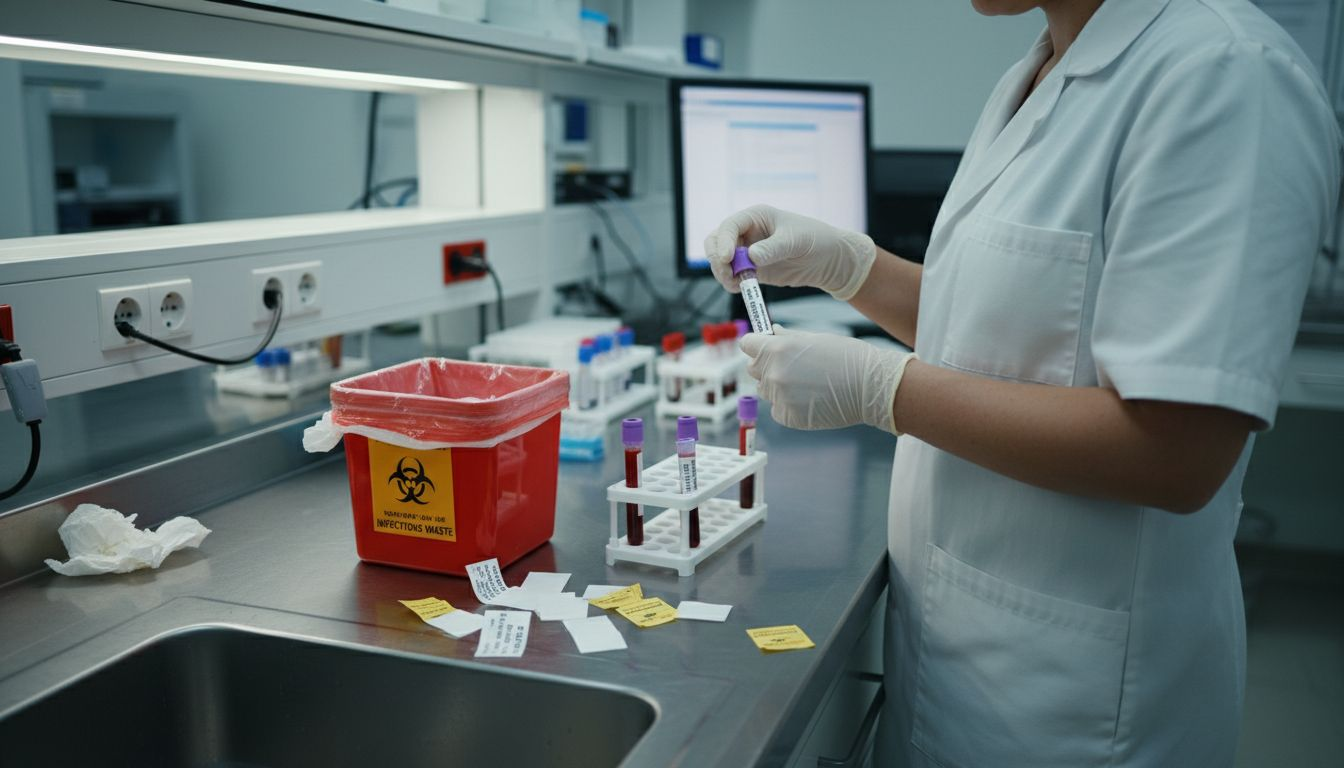
Improper sample collection and handling is a leading cause of inaccurate results. If blood samples sit too long before processing or saliva samples are contaminated by food residue, biomarker levels can shift dramatically. Always follow collection instructions precisely, including timing, storage, and shipping requirements.
Incomplete medical history undermines the interpretation process. If you forget to mention a recent infection, medication change, or supplement regimen, your provider may misinterpret biomarker patterns. This can lead to ineffective or even counterproductive wellness protocols.
Ignoring preparation guidelines is another frequent error. Common mistakes like poor sampling, incomplete history, and misinterpretation affect at least 20% of tests without proper protocols. Eating before a fasting blood draw, exercising hard the day before collection, or taking certain supplements can skew results and waste your time and money.
Misinterpretation without expert guidance is a serious risk. Functional test results are complex, and “normal ranges” on lab reports do not always reflect optimal health. A biomarker might fall within the standard range but still indicate dysfunction when viewed in context with other markers. Working with certified professionals ensures you understand what your results truly mean and how to act on them.
Pro Tip: Always clarify any doubts during your follow up consultation. Ask your provider to explain every result in plain language and how it connects to your symptoms and goals. Use reminders and checklists to stay compliant with preparation and collection protocols.
To enhance compliance and accuracy, set phone reminders for fasting windows, hydration goals, and sample collection times. Keep a testing checklist that includes all preparation steps and required materials. Review interpreting test results resources to familiarize yourself with common biomarkers before your consultation.
Expected results, timelines, and success metrics
Knowing what to expect helps you stay motivated and track progress effectively. Lab results typically return in 2 to 4 weeks; measurable health improvements appear within 3 months with personalized protocols. This timeline allows for thorough analysis and the implementation of targeted interventions.
Once you receive your results, your provider will explain biomarker patterns and recommend specific changes. These might include dietary adjustments, targeted supplementation, exercise modifications, stress management techniques, or sleep optimization strategies. The goal is to address root causes, not just symptoms.
Measurable improvements typically show up in several areas. Energy levels often increase as metabolic imbalances are corrected. Inflammatory markers like C-reactive protein and interleukin-6 may decrease as you adopt anti-inflammatory practices. Hormone balance improves, leading to better mood, sleep, and recovery. Functional capacity scores increase as movement quality and strength improve.
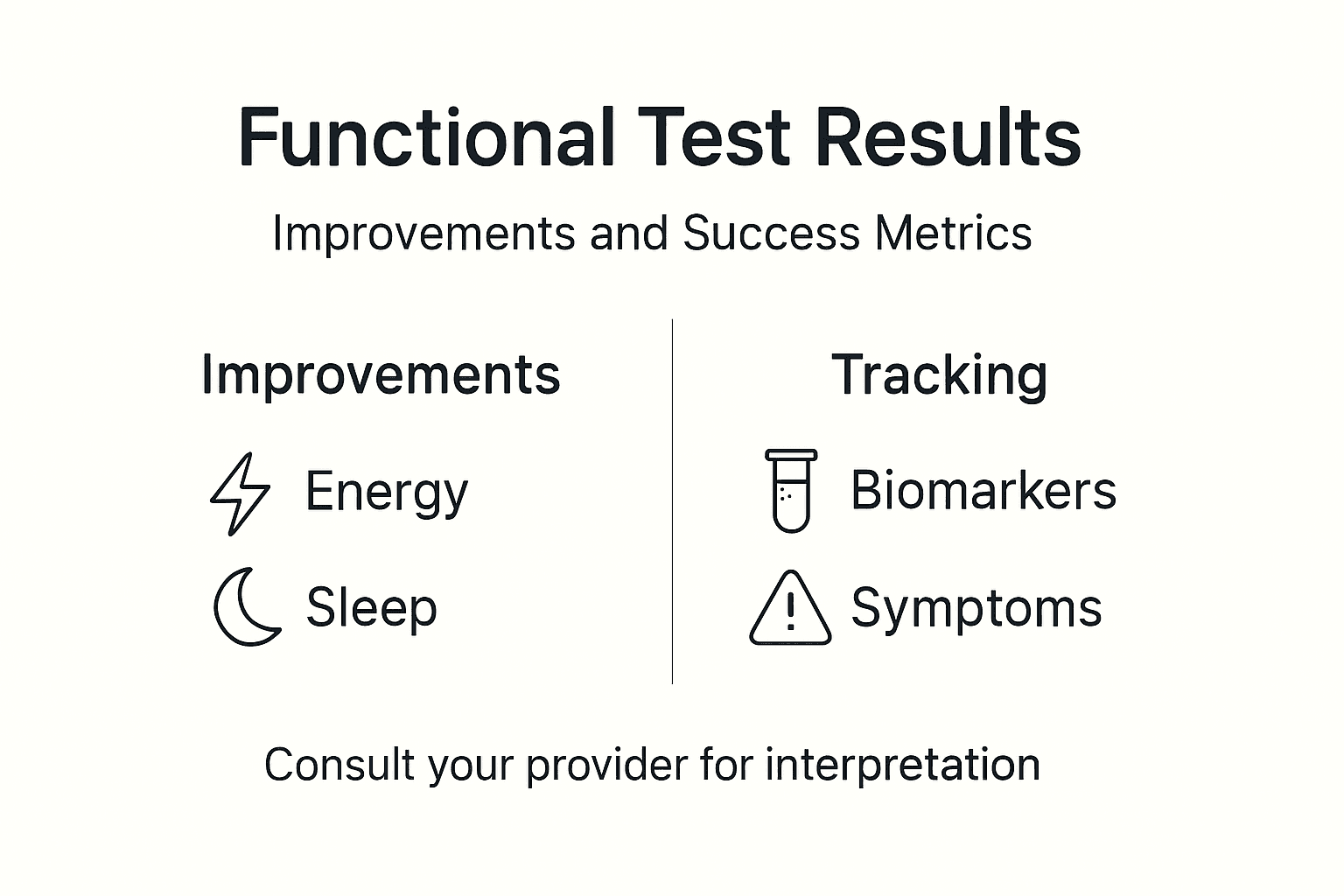
Tracking these metrics is essential for evaluating success. Use biomarker charts to compare baseline values with follow up tests. Monitor symptom changes through daily or weekly logs, noting energy, sleep quality, mood, and physical performance. Record functional capacity scores from repeat evaluations to measure objective gains.
| Timeline Milestone | Expected Outcomes | Tracking Methods |
|---|---|---|
| 2 to 4 weeks | Lab results delivered and reviewed | Initial biomarker report |
| 1 month | Protocol adjustments based on early feedback | Symptom logs, subjective improvements |
| 3 months | Measurable biomarker improvements | Repeat blood, saliva, or urine tests |
| 6 months | Sustained health gains and optimized protocols | Functional capacity reassessments, comprehensive panels |
Repeat testing is crucial for longitudinal monitoring. Functional health is dynamic, and your protocols should evolve as your body responds and your goals shift. Most experts recommend retesting key biomarkers every 3 to 6 months to verify improvements and refine interventions. This approach aligns with effective tracking health improvements strategies.
Safety considerations and official warnings
Functional health testing is generally safe, but certain precautions are necessary to protect your health and ensure ethical practices. Tests should be avoided or postponed during acute illness or pregnancy unless medically approved; informed consent and certified protocols are essential.
Acute infections, fevers, or inflammatory flares can temporarily alter biomarker levels, leading to misleading results. If you are currently sick, wait until you have fully recovered before proceeding with testing. Pregnancy introduces hormonal and metabolic changes that affect nearly every biomarker, so always consult your healthcare provider before testing if you are pregnant or trying to conceive.
Informed consent is a fundamental ethical requirement. Before undergoing any test, you should understand what it measures, how samples are collected, potential risks, and how results will be used. Reputable providers will walk you through this process and answer all your questions.
Certified lab standards minimize risks and ensure reliability. Always verify that your testing provider uses laboratories accredited by recognized bodies such as the Clinical Laboratory Improvement Amendments (CLIA) or equivalent international standards. These certifications guarantee proper handling, accurate analysis, and secure data management.
Minor risks include discomfort during blood draws, bruising at needle sites, or temporary fatigue after physical evaluations. Professionals mitigate these risks through proper technique, sterile equipment, and clear communication. If you have a history of fainting during blood draws, inform your provider so they can take extra precautions.
Always consult your healthcare provider before testing to avoid harm. This is especially important if you have chronic conditions, take multiple medications, or have had adverse reactions to medical procedures in the past.
Alternative functional testing approaches and tradeoffs
Different functional tests offer varying levels of depth, cost, and accessibility. Understanding these tradeoffs helps you choose the approach that best fits your goals and constraints.
Functional capacity evaluations (4 to 8 hours), gait assessments (<30 minutes), and questionnaires provide complementary data with varying depth, cost, and accessibility. Each method serves a distinct purpose in the functional health landscape.
Functional Capacity Evaluations (FCE) are comprehensive assessments lasting 4 to 8 hours. They simulate real world tasks to measure strength, endurance, flexibility, and movement quality. These evaluations are ideal for individuals recovering from injury, preparing for physically demanding work, or seeking detailed performance baselines. The tradeoff is time and cost, but the depth of data is unmatched.
Functional Gait Assessments (FGA) take less than 30 minutes and focus on balance and walking ability. They are useful for older adults, people with neurological conditions, or anyone concerned about fall risk. These assessments are quick, affordable, and widely accessible but provide narrower insights compared to full capacity evaluations.
Functional Status Questionnaires are self-reported tools that take just minutes to complete. They assess perceived physical, mental, and social functioning. While convenient and cost effective, they rely on subjective responses and lack the objective precision of laboratory or physical tests. They work best as screening tools or for tracking changes over time in combination with other assessments.
When to select each approach depends on your individual needs. If you are recovering from a significant injury or preparing for a demanding physical role, invest in a full functional capacity evaluation. If you want a quick screening for balance issues or fall risk, a gait assessment is appropriate. If you are monitoring general well being or complementing other tests, a questionnaire provides useful context at minimal cost.
Exploring functional test alternatives can help you decide which combination of assessments will give you the most actionable insights.
| Test Type | Duration | Benefits | Limitations | Ideal Use Case |
|---|---|---|---|---|
| Functional Capacity Evaluation | 4 to 8 hours | Comprehensive data, objective measures, detailed protocols | High cost, time intensive | Injury recovery, performance baseline, physically demanding roles |
| Functional Gait Assessment | Under 30 minutes | Quick, affordable, balance focused | Narrow scope, no metabolic data | Fall risk screening, older adults, neurological conditions |
| Functional Status Questionnaire | 5 to 15 minutes | Fast, low cost, self-administered | Subjective, limited precision | General screening, tracking changes, complementing other tests |
Explore advanced functional health testing with Aihealthician
Ready to take control of your health with precision and clarity? Aihealthician offers cutting edge DNA health testing services that reveal genetic predispositions and guide personalized wellness strategies. Our advanced diagnostics for personalized health combine functional testing with expert interpretation, turning complex data into actionable protocols.
Whether you are an athlete seeking performance gains or someone focused on long term disease prevention, our functional health tests for athletes provide the insights you need. Start your health optimization journey today and experience the difference that precise, data driven interventions can make.
Frequently asked questions about functional health testing
What sets functional health testing apart from standard lab tests?
Functional tests assess how well your body systems are working, not just whether disease is present. They measure a broader range of biomarkers, detect imbalances before symptoms appear, and guide proactive wellness strategies rather than reactive treatments.
How often should one repeat functional health testing for optimal benefit?
Most experts recommend retesting key biomarkers every 3 to 6 months. This frequency allows you to verify improvements, adjust protocols, and catch new imbalances early. The exact timing depends on your goals, baseline health, and the interventions you are implementing.
Are the tests suitable for people with chronic conditions or pregnancy?
People with chronic conditions can benefit from functional testing, but they should always work closely with their healthcare provider to interpret results safely. Pregnancy alters many biomarkers, so testing is generally postponed or done only with medical approval to avoid confusion or harm.
Can I perform some functional tests at home, or are professional visits required?
Some tests, like saliva cortisol panels and certain urine assessments, can be done at home with proper kits. However, blood draws, genetic testing, and physical capacity evaluations require professional collection and supervision to ensure accuracy and safety. Exploring functional health test types helps you understand which tests can be done remotely.
How do I interpret complex test results without medical expertise?
Never attempt to interpret complex functional test results on your own. Always schedule a follow up consultation with a qualified provider who can explain biomarker patterns, connect them to your symptoms, and design personalized protocols. This professional guidance is essential for turning data into effective action.


