


 matt@aihealthician.co.uk


Only 6.8% of American adults are metabolically healthy, revealing a silent health crisis affecting millions. Regular assessment catches problems early and guides precise interventions that prevent chronic disease. This comprehensive guide walks you through accurate testing, interpretation, and actionable steps to reclaim your metabolic health.
Table of Contents
- Introduction To Metabolic Health Assessment
- Prerequisites For Assessing Metabolic Health
- Key Metabolic Health Biomarkers To Test
- Step By Step Assessment Protocol
- Common Mistakes And Troubleshooting In Metabolic Assessment
- Expected Outcomes And Timelines For Improvement
- Alternative Testing Approaches And Tradeoffs
- Explore Personalized Metabolic Health Solutions
- Frequently Asked Questions
Key Takeaways
| Point | Details |
|---|---|
| Accurate assessment requires proper fasting | Blood tests demand 8 to 12 hour fasting to ensure reliable biomarker readings. |
| Five core biomarkers define metabolic status | Glucose, triglycerides, HDL cholesterol, waist circumference, and blood pressure together paint your full picture. |
| Step by step testing improves personalized insights | Following a structured protocol with professional interpretation unlocks targeted intervention strategies. |
| Common mistakes compromise accuracy | Skipping fasting, ignoring variability, or relying solely on weight sabotages meaningful results. |
| Measurable improvements arrive within months | Lifestyle changes produce detectable biomarker shifts in 3 to 6 months with consistent effort. |
Introduction to Metabolic Health Assessment
Metabolic health reflects how efficiently your body processes energy, regulates blood sugar, manages lipids, and maintains healthy blood pressure. When these systems function optimally, you reduce risk for type 2 diabetes, cardiovascular disease, stroke, and fatty liver disease. Unfortunately, only 6.8% of American adults meet all five metabolic health criteria, exposing widespread vulnerability to preventable chronic conditions.
Single metrics like weight or BMI miss the nuanced reality beneath. Two people with identical body mass index can have vastly different metabolic profiles. One might have optimal insulin sensitivity and lipid balance while the other shows early insulin resistance and elevated triglycerides. Understanding the importance of metabolic health assessment moves you from guessing to knowing.
For health conscious individuals and busy professionals, metabolic assessment offers several advantages:
- Early detection of silent metabolic dysfunction before symptoms emerge
- Personalized baseline data that guides targeted nutrition and exercise interventions
- Objective progress tracking that maintains motivation and refines strategies
- Risk stratification that informs long term disease prevention planning
- Empowerment to take control instead of waiting for diagnosis
Busy schedules and competing priorities make consistent health monitoring challenging. Yet investing 30 minutes every few months for testing delivers insights that compound over years. When you know your numbers, you make informed choices rather than following generic advice that may not suit your physiology.
Prerequisites for Assessing Metabolic Health
Accurate metabolic assessment begins with proper preparation. Fasting for 8 to 12 hours before blood collection ensures glucose and triglyceride readings reflect your baseline state rather than recent meals. Water is allowed and encouraged during fasting windows to maintain hydration without affecting results.
Access to reliable testing is essential. You can visit clinical laboratories, use physician ordered panels, or explore validated home testing kits that meet clinical standards. Functional metabolic health tests expand beyond basic panels to include inflammatory markers, insulin levels, and hormonal factors when deeper insights are needed.
Before testing, gather these tools and knowledge:
- Measuring tape for waist circumference at the narrowest point between ribs and hips
- Blood pressure monitor calibrated and validated for accuracy
- Basic understanding of target ranges for each biomarker to contextualize results
- Clear schedule allowing proper fasting without disrupting critical work or travel
- Notebook or app to log results consistently over time for trend analysis
Timing matters beyond fasting alone. Schedule tests at similar times of day since biomarkers fluctuate with circadian rhythms. Morning appointments after overnight fasting work best for most people. Avoid testing during acute illness, extreme stress, or immediately after intense exercise, as these temporarily alter readings.
Pro Tip: Hydrate well the day before testing to make blood draw easier and ensure your biomarkers reflect true baseline rather than dehydration induced concentration effects.
Key Metabolic Health Biomarkers to Test
Five core biomarkers define metabolic health status when measured together. Each reflects distinct physiological processes that collectively determine your disease risk profile. Optimal metabolic health requires meeting all five targets simultaneously, not just one or two.
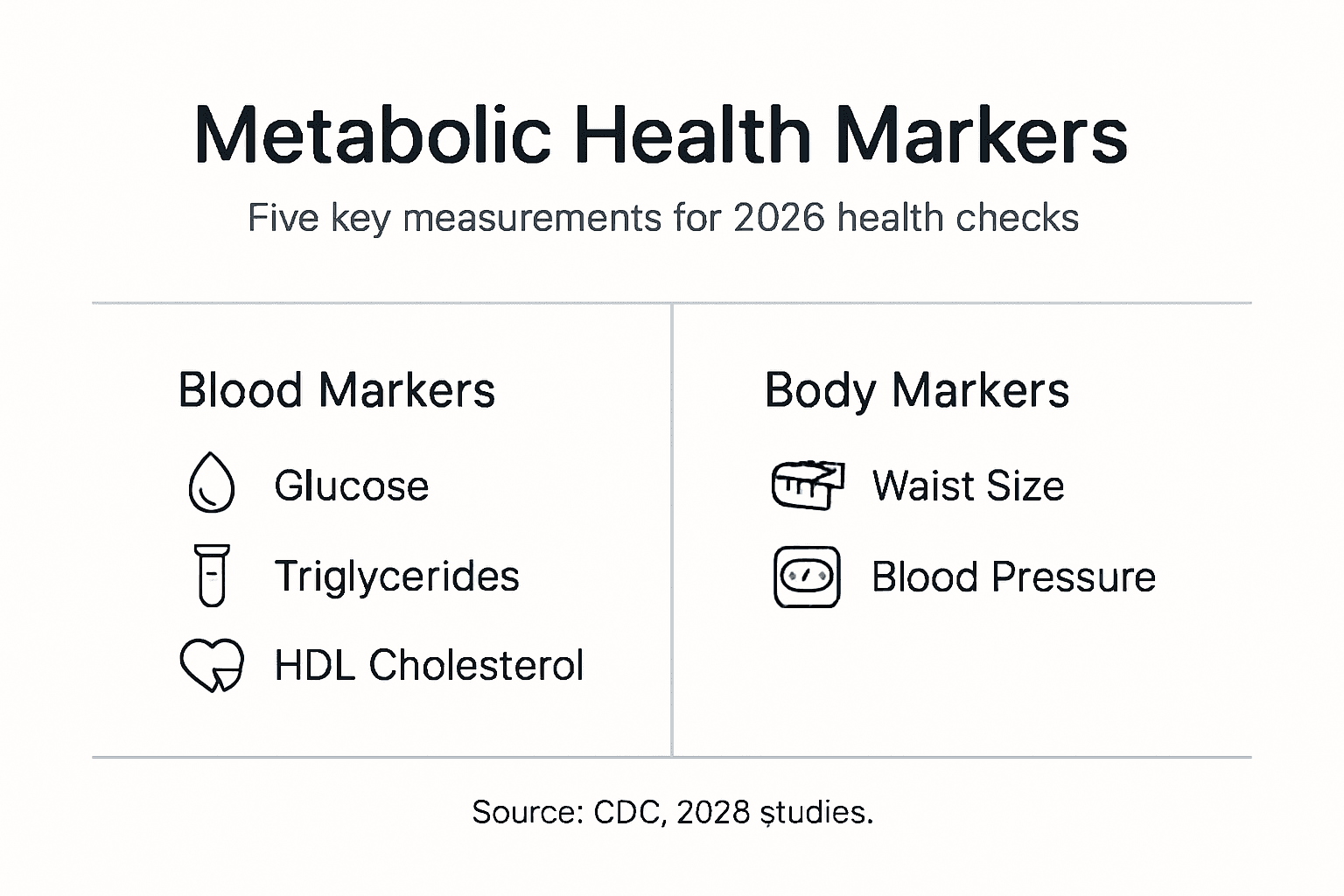
| Biomarker | Optimal Target | Clinical Significance |
|---|---|---|
| Fasting Glucose | <100 mg/dL | Measures blood sugar regulation and insulin sensitivity |
| Triglycerides | <150 mg/dL | Reflects fat metabolism and cardiovascular disease risk |
| HDL Cholesterol | >50 mg/dL (women), >40 mg/dL (men) | Protective cholesterol that removes excess lipids from arteries |
| Waist Circumference | <35 inches (women), <40 inches (men) | Indicates visceral fat accumulation linked to metabolic dysfunction |
| Blood Pressure | ≤120/80 mmHg | Reflects cardiovascular stress and overall circulatory health |
Fasting glucose below 100 mg/dL signals healthy insulin function and glucose clearance. Values between 100 and 125 mg/dL indicate prediabetes, while 126 mg/dL or higher on repeated tests suggests diabetes. Even small elevations within the normal range correlate with increased long term risk.
Triglycerides under 150 mg/dL demonstrate efficient fat metabolism and lower inflammation. High triglycerides often accompany insulin resistance and predict heart disease independent of other cholesterol markers. They respond quickly to dietary changes, making them valuable for tracking intervention success.
HDL cholesterol above 50 mg/dL for women and 40 mg/dL for men provides cardiovascular protection by transporting cholesterol away from arterial walls. Higher levels offer greater benefit. Understanding metabolic health biomarker reference ranges helps interpret whether your HDL is truly protective or merely adequate.
Waist circumference measures abdominal obesity more accurately than BMI. Visceral fat surrounding organs secretes inflammatory compounds that drive insulin resistance and metabolic disease. Men exceeding 40 inches and women exceeding 35 inches face elevated risk regardless of total body weight.

Blood pressure at or below 120/80 mmHg minimizes strain on your cardiovascular system. Elevated pressure damages blood vessels over time and accelerates atherosclerosis. Home monitoring provides more reliable data than single office readings since white coat syndrome and daily variability affect measurements.
Step by Step Assessment Protocol
A comprehensive metabolic health assessment follows a clear sequence that ensures accuracy and completeness. This protocol combines laboratory testing with physical measurements and creates a baseline for future comparison.
-
Schedule your assessment for early morning after an overnight fast of 8 to 12 hours. Confirm the testing facility or home kit meets clinical accuracy standards. Hydrate normally the day before but avoid food or caloric beverages during the fasting window.
-
Collect fasting blood samples for glucose, triglycerides, HDL cholesterol, and any additional markers your plan includes. Baseline metabolic health assessment combines fasting blood tests with vital signs to capture your complete metabolic profile. Follow collection instructions precisely to avoid contamination or handling errors.
-
Measure waist circumference immediately after blood collection while still fasting. Place the measuring tape horizontally around your abdomen at the narrowest point between your lowest rib and the top of your hip bone. Breathe normally and measure at the end of a gentle exhale without compressing skin.
-
Record blood pressure using a validated monitor after sitting quietly for five minutes. Rest your arm at heart level and avoid talking during measurement. Take two readings separated by one minute and average them for accuracy.
-
Consider functional metabolic panels when you need deeper insights beyond the five core markers. These may include insulin, hemoglobin A1c, inflammatory markers, or hormone levels depending on your symptoms and goals.
-
Schedule follow up assessments every 3 to 6 months to track changes and evaluate intervention effectiveness. Consistent timing and conditions allow meaningful comparison across test dates.
Pro Tip: Photograph your measurement setup including tape position and monitor placement to replicate exact technique at future assessments, reducing variability from inconsistent methods.
Common Mistakes and Troubleshooting in Metabolic Assessment
Even well intentioned testing efforts can produce misleading results when common errors creep in. Recognizing and correcting these mistakes ensures your data drives accurate decisions.
Not fasting properly before blood collection artificially elevates glucose and triglycerides. A single cookie or coffee with cream consumed during the fasting window invalidates results. If you break your fast accidentally, reschedule testing rather than proceeding with compromised data.
Ignoring daily biomarker variability leads to overreaction from single abnormal readings. Glucose, blood pressure, and even lipids fluctuate based on sleep quality, stress, hydration, recent exercise, and menstrual cycle phase. One elevated reading requires confirmation before changing your entire health strategy.
Relying exclusively on weight or BMI misses metabolic dysfunction in normal weight individuals. Approximately 20% of normal weight adults have metabolic abnormalities including insulin resistance and dyslipidemia. Understanding common metabolic test errors prevents false reassurance from weight alone.
Assuming generic laboratory reference ranges apply universally fails to account for individual variation. Standard ranges define disease cutoffs but optimal health targets are often more stringent. A fasting glucose of 95 mg/dL sits within normal range but may indicate early insulin resistance in someone previously at 75 mg/dL.
Over interpreting single test results instead of monitoring trends creates unnecessary anxiety or complacency. Metabolic health assessment works best as longitudinal tracking rather than isolated snapshots. Three tests over six months reveal direction and velocity of change that single measurements cannot capture.
Expected Outcomes and Timelines for Improvement
When you implement targeted interventions based on assessment data, metabolic biomarkers respond predictably within specific timeframes. Understanding these patterns helps maintain realistic expectations and motivation.
Lifestyle modifications including dietary changes, exercise, sleep optimization, and stress management produce measurable improvements within 3 to 6 months for most people. The speed and magnitude of change depend on baseline severity, intervention intensity, and individual metabolic flexibility.
Fasting glucose and triglycerides often show the earliest improvements, sometimes within 4 to 8 weeks of consistent intervention. Reducing refined carbohydrates and increasing physical activity directly impacts these markers through enhanced insulin sensitivity and improved fat oxidation.
Waist circumference and blood pressure improvements require sustained effort over 8 to 16 weeks as visceral fat mobilizes and cardiovascular adaptation occurs. Progressive resistance training combined with moderate calorie deficit accelerates abdominal fat loss while preserving lean mass.
HDL cholesterol responds more slowly, typically requiring 3 to 6 months of consistent healthy fats intake, regular aerobic exercise, and weight management. Some individuals experience minimal HDL changes despite other improvements due to genetic factors affecting cholesterol metabolism.
Inflammatory markers like C reactive protein decline as metabolic health improves, reflecting reduced systemic inflammation and oxidative stress. These changes signal deeper healing beyond surface level biomarker shifts.
Tracking progress every 3 to 6 months through repeated assessments maintains motivation by documenting tangible results. Seeing your numbers improve reinforces behavior change and allows strategy refinement based on what works for your unique physiology.
Alternative Testing Approaches and Tradeoffs
Beyond standard fasting panels, alternative testing methods offer different insights with distinct advantages and limitations. Choosing the right approach depends on your goals, resources, and willingness to interpret complex data.
| Testing Method | Key Benefits | Primary Limitations | Best For |
|---|---|---|---|
| Standard Fasting Panel | Cost effective, widely available, established reference ranges | Snapshot only, misses daily variability | Initial screening and routine monitoring |
| Functional Metabolic Panel | Expanded biomarkers including insulin and inflammatory markers | Higher cost, requires specialized interpretation | Deep dive investigation of subtle dysfunction |
| Continuous Glucose Monitor | Real time glucose trends, meal response tracking, pattern recognition | Expensive, data overwhelming without guidance, anxiety inducing | Optimizing diet timing and composition |
| Oral Glucose Tolerance Test | Reveals insulin response dynamics beyond fasting measures | Time intensive, uncomfortable, less convenient | Suspected insulin resistance with normal fasting glucose |
Standard fasting blood panels remain the gold standard for baseline assessment due to their established clinical validity and accessibility. They provide reliable snapshot data at reasonable cost but miss how your metabolism responds to meals, stress, and daily activities.
Functional metabolic panels expand testing to include markers like fasting insulin, hemoglobin A1c, apolipoprotein B, and high sensitivity C reactive protein. These additions reveal earlier stage dysfunction and guide more precise interventions but increase cost and complexity.
Continuous glucose monitoring offers detailed real time data but comes at higher price points and requires interpretation expertise to avoid misuse or unnecessary anxiety. CGM works best for optimizing already good metabolic health rather than diagnosing problems, as it lacks the comprehensive lipid and pressure data needed for full metabolic assessment.
Professional guidance becomes essential with advanced testing approaches. Raw data without context leads to confusion or inappropriate interventions. Working with practitioners experienced in metabolic optimization ensures you extract actionable insights rather than drowning in numbers.
Explore Personalized Metabolic Health Solutions
Your metabolic health assessment generates powerful data, but transforming that information into lasting improvement requires expert guidance and advanced diagnostic tools. AI Healthician specializes in turning biomarker insights into precise, personalized protocols that optimize your metabolic function.

Our DNA health testing services reveal genetic factors influencing your metabolic response to different foods, exercise types, and lifestyle interventions. This genetic layer adds depth to your biomarker data, explaining why certain strategies work better for your unique physiology. Combined with comprehensive testing, genetic insights eliminate guesswork from your optimization plan.
For professionals seeking convenience without compromising accuracy, our resting and active metabolic testing with 3D body scans measures your actual calorie expenditure and body composition with clinical precision. These measurements integrate with biomarker data to create fully personalized nutrition and exercise prescriptions.
Follow our detailed metabolic health improvement workflow guide to structure your optimization journey from initial assessment through sustained results. This systematic approach ensures you address root causes rather than chasing symptoms, building metabolic resilience that lasts.
Frequently Asked Questions
What is the minimum fasting time before metabolic testing?
Fast for 8 to 12 hours before blood collection to ensure accurate glucose and triglyceride readings. Water is allowed and encouraged during this window to maintain hydration. Shorter fasting periods produce artificially elevated results that misrepresent your true metabolic state.
Can I assess metabolic health at home without a doctor’s visit?
Yes, validated home testing kits allow you to collect samples and measure vital signs independently. You mail blood samples to certified laboratories and receive results online within days. Understanding the importance of proper metabolic testing ensures home testing meets clinical accuracy standards.
How often should I retest metabolic biomarkers?
Retest every 3 to 6 months when implementing interventions to track progress and refine strategies. Once you achieve optimal levels, annual or biannual testing maintains accountability. More frequent testing makes sense when addressing acute metabolic dysfunction or evaluating major lifestyle changes.
Which biomarker indicates highest risk of metabolic syndrome?
No single biomarker outweighs the others, as metabolic syndrome requires meeting three of five criteria. However, elevated fasting glucose often signals insulin resistance driving dysfunction across other markers. Waist circumference powerfully predicts visceral fat accumulation that promotes systemic metabolic disease.
Are advanced tests like CGM necessary for everyone?
No, most people achieve excellent results using standard fasting panels combined with lifestyle optimization. Continuous glucose monitoring benefits those with diabetes, prediabetes, or individuals optimizing athletic performance and seeking granular meal timing insights. Start with basics before investing in advanced technologies unless specific goals warrant the additional data and cost.


