


 matt@aihealthician.co.uk


Traditional health tracking relies heavily on self-reported data, which studies show can be inaccurate by up to 50% due to recall bias and subjective interpretation. You might think you’re tracking your wellness effectively, but memory lapses and estimation errors undermine the value of manual logs. Continuous health monitoring eliminates these gaps by capturing real-time physiological data through wearable biosensors, providing precise insights into energy levels, recovery status, and metabolic health. This guide explores how continuous monitoring technologies enhance performance, support early disease detection, and enable truly personalised wellness strategies grounded in objective biological data.
Table of Contents
- What Is Continuous Health Monitoring And Why Does It Matter?
- How Ai And Machine Learning Enhance Personalised Health Insights
- Innovations In Non-Invasive Biochemical Monitoring
- Continuous Cardiovascular Monitoring For Early Detection And Resilience
- Explore Personalised Health Testing And Protocols
- Faq
Key takeaways
| Point | Details |
|---|---|
| Wearable biosensors track real-time data | Devices continuously capture heart rate variability, electromyographic signals, and sweat metabolites for accurate health insights |
| Machine learning personalises training | AI algorithms analyse sensor data to optimise exercise intensity, recovery timing, and performance adaptation |
| Sweat sensors enable non-invasive monitoring | Real-time lactate and electrolyte tracking through sweat provides performance feedback without blood sampling |
| Cardiovascular monitoring improves early detection | Wearable devices identify vital sign deviations early, enhancing disease prevention and therapeutic intervention windows |
| Human-AI collaboration maximises effectiveness | Combining algorithmic analysis with clinical expertise delivers the most reliable health optimisation outcomes |
What is continuous health monitoring and why does it matter?
Continuous health monitoring refers to the ongoing collection of physiological, biomechanical, and biochemical data through wearable biosensors that track health markers without interrupting daily activities. Unlike traditional methods that rely on periodic clinic visits or self-reported logs, these devices capture real-time information about your body’s internal state. The technology includes chest straps, wrist-worn trackers, and adhesive patches that measure parameters such as heart rate variability, muscle activity, oxygen saturation, and even sweat composition.
These sensors excel at tracking training load, fatigue accumulation, and recovery readiness. Wearable biosensors reliably capture physiological markers when properly calibrated, providing data streams far more consistent than memory-based fitness journals. You gain access to continuous feedback loops that reveal how your body responds to stress, sleep quality, nutrition timing, and exercise intensity. This eliminates the guesswork inherent in subjective assessments.
The advantages over traditional self-reporting are substantial:
- Removes recall bias and subjective interpretation errors
- Captures data during sleep and passive recovery periods
- Identifies patterns invisible to conscious awareness
- Provides objective benchmarks for intervention effectiveness
- Enables real-time adjustments to training and lifestyle factors
Modern biosensor applications extend beyond athletic performance into metabolic health, stress management, and disease risk assessment. Devices like chest-worn heart rate monitors, smart rings tracking sleep architecture, and adhesive patches measuring glucose fluctuations all contribute to a comprehensive health picture. For those pursuing health diagnostics for peak performance, continuous monitoring forms the foundation of data-driven optimisation.
Pro Tip: Always verify that your wearable device includes signal quality indicators and regular calibration protocols, as raw sensor data without validation can produce misleading insights that undermine decision-making.
How AI and machine learning enhance personalised health insights
Raw sensor data becomes actionable only when sophisticated algorithms extract meaningful patterns and translate them into personalised recommendations. Machine learning models trained on large datasets can identify subtle relationships between physiological markers and health outcomes that human analysis might miss. These systems learn your individual baseline responses, then flag deviations that signal fatigue, overtraining, or emerging health issues before symptoms become obvious.
Supervised learning approaches excel at classifying activity types, predicting recovery needs, and estimating optimal training loads. ML models improve performance over traditional workload metrics across endurance, strength, and team sport contexts by accounting for individual variability in physiological responses. The algorithms adapt as your fitness level changes, continuously refining their predictions based on your evolving data patterns.
Real-time analysis capabilities transform how you manage exercise intensity and recovery timing. Instead of following generic training plans, AI-driven systems adjust recommendations based on your current physiological state. If heart rate variability indicates incomplete recovery, the system might suggest reducing training intensity or prioritising restorative activities. This dynamic approach prevents the common mistake of pushing through fatigue when your body needs rest, a pattern that often leads to injury or burnout.
The COBRA framework demonstrates AI’s potential by classifying complex behaviours and activities with over 90% accuracy using multi-sensor data fusion. Such systems combine information from accelerometers, heart rate monitors, and environmental sensors to understand context, not just isolated metrics. You receive insights about how different activities affect your physiology, enabling more informed decisions about daily routines and metabolic marker assessment for recovery.
However, algorithmic analysis has limitations that require human oversight:
- Models may misinterpret unusual but benign physiological patterns
- Context about life stressors, illness, or medication changes isn’t captured by sensors
- Individual goals and preferences require subjective judgement
- Ethical considerations around data privacy and algorithmic bias need expert navigation
“The most effective health monitoring systems combine AI’s pattern recognition capabilities with human clinical expertise and contextual understanding, creating a collaborative model that leverages the strengths of both.”
This human-AI partnership ensures that automated insights undergo critical evaluation before influencing health decisions, particularly for complex cases involving multiple risk factors or chronic conditions.
Innovations in non-invasive biochemical monitoring
Traditional lactate testing requires finger-prick blood samples taken at specific intervals during exercise, creating an invasive, disruptive process that captures only discrete data points. Athletes and coaches have long sought alternatives that provide continuous feedback without interrupting training sessions. Recent advances in sweat-based biosensors address this need by measuring biochemical markers through the skin’s surface, offering a non-invasive window into metabolic processes.
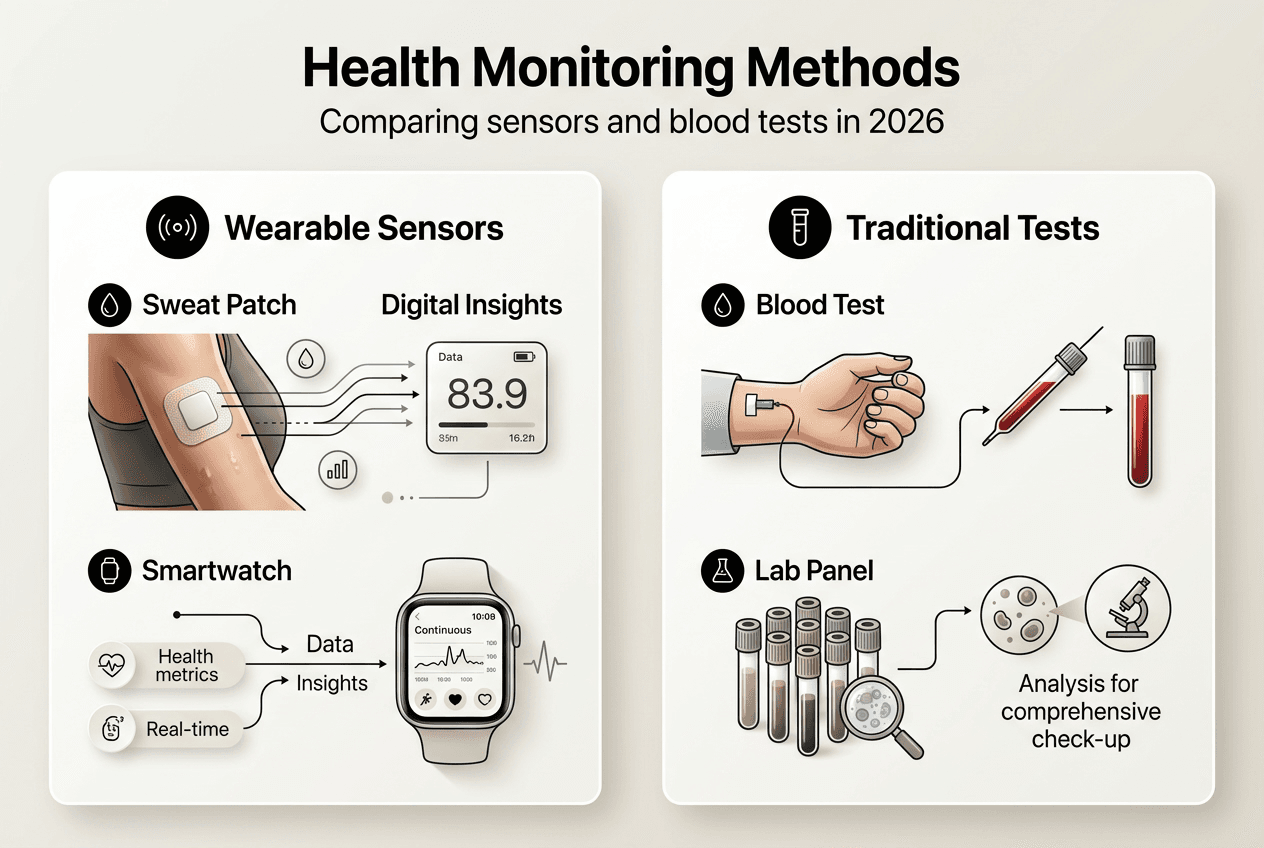
Wearable sweat sensors detect sodium, potassium, and lactate concentrations in real time, providing insights into hydration status, electrolyte balance, and anaerobic threshold crossing. Sweat lactate biosensors offer non-invasive alternatives to blood sampling whilst maintaining reasonable accuracy for performance monitoring. The technology works by using electrochemical reactions on sensor surfaces that generate measurable signals proportional to metabolite concentrations.
These devices typically achieve detection ranges suitable for athletic monitoring, with lactate sensors measuring concentrations from 5 to 25 millimoles per litre. Recovery rates between measurements allow for continuous tracking during extended training sessions, though sensor lifespan and calibration stability remain active research areas. The non-invasive nature encourages more frequent monitoring, helping you identify optimal training intensities and recovery windows with greater precision.
| Method | Invasiveness | Real-time data | Accuracy | Usability | Cost |
|---|---|---|---|---|---|
| Blood sampling | High (finger prick) | No (discrete points) | Very high | Low (requires stopping) | Moderate |
| Sweat sensors | None | Yes (continuous) | Moderate to high | High (wear and forget) | Higher initial investment |
The comparison reveals trade-offs between measurement approaches. Blood sampling remains the gold standard for absolute accuracy, particularly in clinical settings where precise values guide medical decisions. Sweat sensing excels for trend monitoring and real-time feedback during training, where relative changes matter more than absolute values. For those exploring metabolic testing with 3D body scan, combining both approaches provides comprehensive metabolic profiling.
Pro Tip: Sweat sensor accuracy varies significantly with fitness level and sweat production rates, making them more reliable for trained athletes than sedentary individuals. Always validate sensor readings against periodic blood tests when establishing baseline values.
Continuous cardiovascular monitoring for early detection and resilience
Cardiovascular disease accounts for nearly one-third of global deaths, with many cases progressing silently until acute events occur. Traditional monitoring relies on periodic clinic visits that capture only brief snapshots of cardiovascular function, missing critical patterns that emerge during daily activities, sleep, or stress responses. Wearable cardiovascular devices transform this paradigm by providing continuous vital sign tracking that reveals early warning signals before symptoms become severe.
Modern wearable systems detect subtle deviations in heart rate patterns, blood pressure trends, and rhythm irregularities with impressive accuracy. Wearable cardiovascular systems provide real-time monitoring, improving early detection and expanding therapeutic windows for intervention. These devices use photoplethysmography, electrocardiography, and impedance measurements to assess cardiac function continuously, alerting users and healthcare providers to concerning changes that warrant investigation.
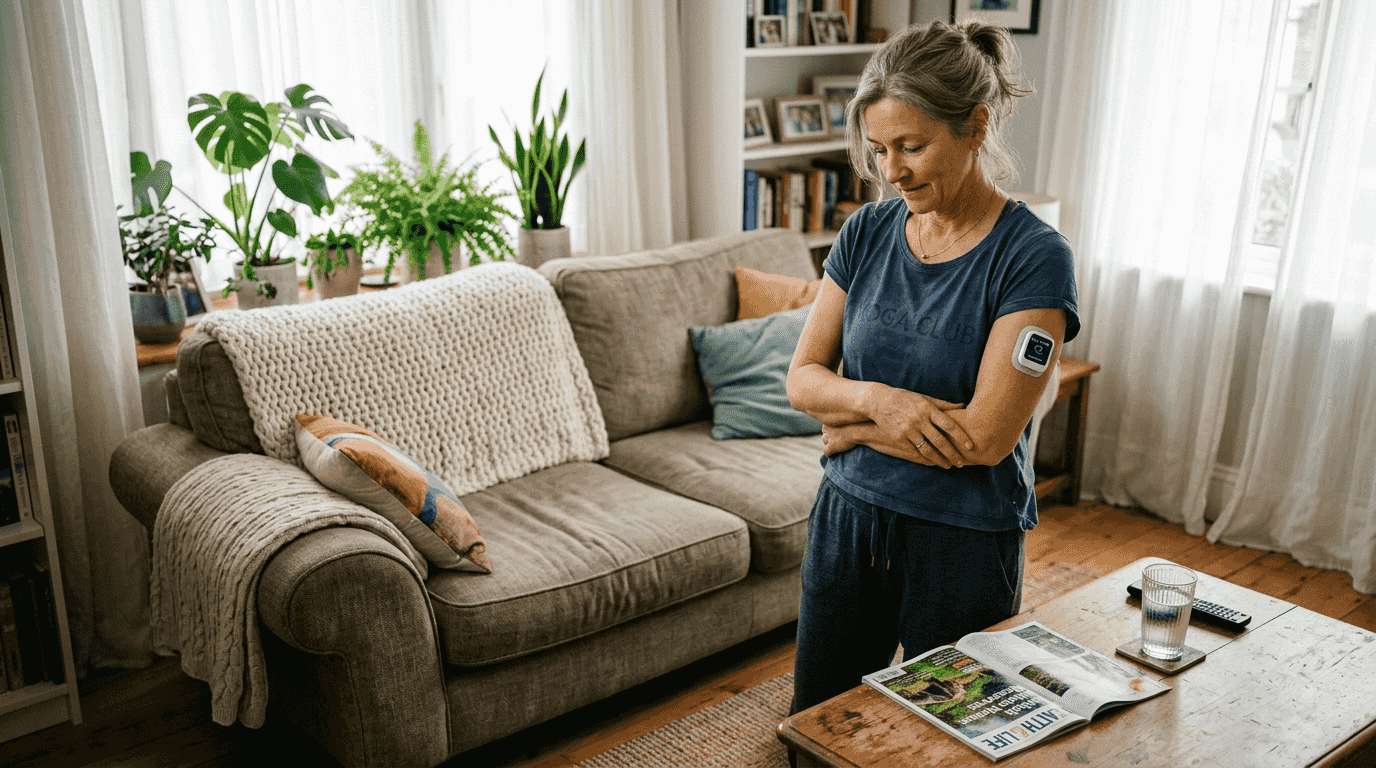
The integration of inertial sensors with vital sign monitoring enhances fall detection and activity classification accuracy substantially. Combining accelerometer data with heart rate and blood pressure information allows systems to distinguish between normal postural changes and potentially dangerous falls, particularly valuable for older adults or those with cardiovascular risk factors. This multi-sensor approach reduces false alarms whilst improving sensitivity to genuine health events.
| Device type | Primary metrics | Accuracy level | Primary use case |
|---|---|---|---|
| Chest strap monitors | ECG, heart rate, HRV | Very high (clinical grade) | Athletic training, cardiac rehabilitation |
| Smartwatches | Heart rate, activity, sleep | Moderate to high | General wellness, trend monitoring |
| Adhesive patches | ECG, temperature, movement | High (medical grade) | Post-surgical monitoring, arrhythmia detection |
| Smart rings | Heart rate, HRV, temperature | Moderate | Sleep optimisation, recovery tracking |
Key benefits of continuous cardiovascular monitoring include:
- Non-invasive tracking eliminates discomfort and compliance barriers
- Early warning systems detect deterioration before emergency situations develop
- Personalised baseline establishment improves anomaly detection accuracy
- Longitudinal data reveals treatment effectiveness and disease progression patterns
- Remote monitoring reduces healthcare costs whilst improving access
Challenges remain in translating research advances into widespread clinical adoption. Device validation across diverse populations, accuracy during dynamic activities, and integration with existing healthcare systems require ongoing refinement. User compliance depends on device comfort, battery life, and data presentation clarity. For those pursuing advanced personalised health diagnostics, cardiovascular monitoring provides essential context for interpreting metabolic and inflammatory markers.
The resilience-building potential extends beyond disease detection. Tracking heart rate variability trends helps you optimise stress management, sleep quality, and training recovery. You gain objective feedback about how lifestyle interventions affect autonomic nervous system balance, enabling evidence-based adjustments to daily routines. This proactive approach shifts focus from reactive disease treatment to preventive health optimisation.
Explore personalised health testing and protocols
Understanding continuous monitoring data becomes exponentially more valuable when combined with comprehensive baseline testing that reveals your unique physiological profile. AI Healthician offers advanced diagnostic services that complement wearable sensor data, providing the deeper context needed for truly personalised health optimisation. Our DNA health testing collection identifies genetic factors influencing metabolism, inflammation, and disease risk, whilst functional assessments reveal how your body currently performs under various conditions.
The active metabolic test product measures your energy expenditure and substrate utilisation during exercise, establishing precise training zones that maximise fat oxidation or performance gains based on your goals. When paired with continuous heart rate and activity monitoring, you gain a complete picture of metabolic efficiency across all intensity levels. This integration transforms generic fitness advice into targeted protocols backed by your biological data.
Our longevity blueprint personalised consultation synthesises continuous monitoring insights with comprehensive lab testing, genetic analysis, and lifestyle assessment to create actionable strategies for long-term health optimisation. You receive specific interventions addressing your unique risk factors and performance limiters, with ongoing monitoring to track progress and refine approaches. This evidence-informed framework ensures that wellness investments deliver measurable returns in energy, resilience, and healthspan.
FAQ
What devices are best for continuous health monitoring?
Device selection depends on which parameters matter most for your goals and the activities you perform. Chest-worn devices show strong accuracy especially during dynamic activities, making them ideal for serious athletes and those requiring clinical-grade data. Wrist-worn devices excel at tracking trends and average heart rate over time, offering better convenience for daily wear. Consider chest straps for training optimisation and smartwatches for general wellness monitoring, or use both for comprehensive coverage.
How accurate are sweat sensors for monitoring health?
Sweat sensors provide excellent non-invasive monitoring for trained athletes who produce consistent sweat volumes during exercise. Sweat lactate measurement correlates strongly with blood lactate in active populations, though accuracy varies by fitness level and hydration status. Less suitable for sedentary individuals or those with low sweat production, these sensors require proper calibration and validation against blood tests to establish individual correlation factors. They work best for tracking relative changes rather than absolute values.
Can continuous health monitoring prevent chronic diseases?
Continuous monitoring offers significant prevention potential through early symptom detection and personalised feedback that enables timely intervention. Early symptom detection and disease management improve with continuous monitoring, but wide clinical integration remains limited due to data validation challenges and policy barriers. Success requires combining sensor data with professional medical oversight, validated algorithms, and supportive healthcare policies. The technology provides tools for prevention, but effectiveness depends on how individuals and healthcare systems act on the insights generated.
How does continuous monitoring improve athletic performance?
Continuous data streams reveal recovery status, training readiness, and optimal intensity zones with far greater precision than periodic testing or subjective assessment. You can adjust daily training loads based on actual physiological state rather than predetermined schedules, preventing overtraining whilst maximising adaptation stimulus. Real-time feedback during sessions helps maintain target intensity zones, improving training efficiency. Longitudinal tracking identifies which interventions produce measurable improvements, allowing evidence-based refinement of nutrition, sleep, and recovery protocols.
What privacy concerns exist with continuous health monitoring?
Continuous collection of sensitive health data creates substantial privacy risks if not properly managed through encryption, access controls, and transparent data governance policies. You should verify that devices and associated apps comply with relevant data protection regulations and clearly disclose how information is stored, shared, and used. Consider whether data is processed locally on the device or transmitted to cloud servers, who has access to raw and analysed data, and whether you can delete information permanently. Choose providers with strong privacy commitments and avoid sharing detailed health data on platforms lacking robust security measures.


