


 matt@aihealthician.co.uk


Athletes and health-conscious professionals often overlook metabolic markers, yet assessing key metabolic markers can improve recovery by up to 30%. Metabolic testing isn’t reserved for elite competitors. Anyone serious about performance, resilience, and longevity benefits from understanding how their body generates and uses energy. This article explains what metabolic markers are, how they drive performance and recovery, clears common misconceptions, and shows practical ways to apply assessments for measurable health gains.
Table of Contents
- Introduction To Metabolic Markers And Their Importance
- Key Metabolic Markers Linked To Performance And Recovery
- Mechanisms: How Metabolic Markers Influence Energy And Resilience
- Common Misconceptions About Metabolic Marker Assessment
- Comparing Metabolic Assessments To General Health Tests
- Applying Metabolic Marker Insights To Optimize Health And Performance
- How Metabolic Assessment Links To Disease Risk And Longevity Protocols
- Discover Aihealthician’s Personalized Metabolic Assessment Solutions
- Frequently Asked Questions About Metabolic Marker Assessment
Key Takeaways
| Point | Details |
|---|---|
| Objective Personalization | Metabolic markers deliver precise, individualized data to customize training and recovery protocols. |
| Early Dysfunction Detection | Dynamic metabolic testing identifies issues months or years before standard health panels reveal problems. |
| Faster Recovery | Personalized interventions guided by metabolic data reduce recovery time by 20–30%. |
| Accessible Methods | Non-invasive techniques make metabolic assessments practical for athletes beyond elite circles. |
Introduction to Metabolic Markers and Their Importance
Metabolic markers are measurable indicators reflecting how efficiently your body produces and utilizes energy. For athletes and health-focused individuals, these markers quantify aerobic and anaerobic capacity with precision. Unlike generic wellness advice, metabolic data tailors strategies to your unique physiology.
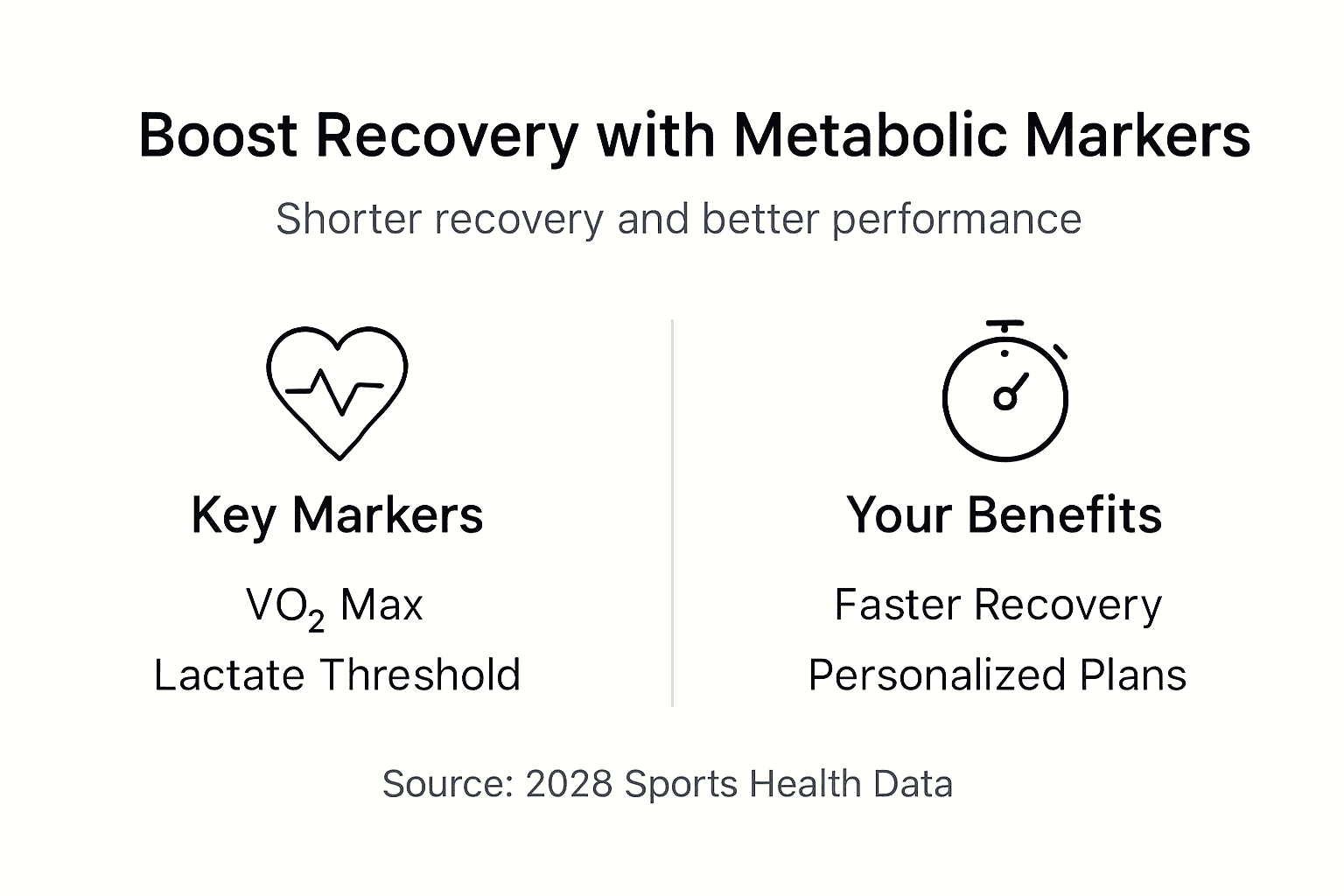
Common markers include VO2 max and lactate threshold, which measure oxygen uptake and anaerobic capacity. Mitochondrial function indicators such as acylcarnitines reveal cellular energy production efficiency. Insulin and glucose dynamics show metabolic flexibility, your ability to switch fuel sources seamlessly.
These markers move beyond one-size-fits-all recommendations. They pinpoint strengths and weaknesses in your energy systems, enabling targeted interventions. Tracking changes over time guides adjustments to training intensity, nutrition, and recovery protocols. This level of insight transforms guesswork into data-driven optimization.
Want deeper dives? Explore types of functional health tests for athletes or learn about active metabolic analysis (VO2 max). For scientific background, review lactate threshold and VO2 max research.
Pro Tip: Start with baseline assessments before implementing new training or nutrition plans. This creates a reference point for measuring progress and adjusting interventions effectively.
Key Metabolic Markers Linked to Performance and Recovery
VO2 max measures maximal oxygen uptake during intense exercise. It directly correlates with endurance capacity. VO2 max values range from 30 to 90 mL/kg/min, with higher values indicating superior aerobic fitness. Elite endurance athletes typically score above 70, but improvements occur at all levels.

Lactate threshold marks the intensity where lactate accumulates faster than clearance. Training just below this threshold builds aerobic capacity without excessive fatigue. Exceeding it repeatedly without adequate recovery impairs adaptation and increases injury risk.
Mitochondrial function markers, particularly acylcarnitines, reflect how well cells convert fuel into ATP. Efficient mitochondria mean sustained energy output and faster recovery. Dysfunction signals early metabolic stress before overt symptoms appear.
Insulin and glucose regulation govern metabolic flexibility. Poor glucose control limits fat oxidation during lower intensity efforts, forcing reliance on glycogen stores. This reduces endurance and accelerates fatigue. Optimizing these dynamics unlocks efficient fuel utilization across intensity zones.
Key markers for athletes include:
- VO2 max for aerobic capacity benchmarking
- Lactate threshold to define training zones
- Acylcarnitines indicating mitochondrial efficiency
- Glucose and insulin for metabolic flexibility assessment
- Cortisol and inflammatory markers revealing stress and recovery balance
Pro Tip: Monitor marker changes every 8 to 12 weeks. Consistent tracking reveals intervention effectiveness and guides timely adjustments before plateaus occur.
Explore examples of key metabolic biomarkers or consider resting metabolic analysis to round out your assessment. For evidence, see VO2 max and lactate threshold research.
Mechanisms: How Metabolic Markers Influence Energy and Resilience
Metabolic flexibility defines your ability to switch between carbohydrate and fat oxidation based on demand. Poor flexibility forces reliance on limited glycogen stores, shortening endurance windows. Flexible metabolism optimizes fuel use, extending performance duration and improving recovery efficiency.
Mitochondrial efficiency governs ATP production, the energy currency powering every muscle contraction and cellular process. Healthy mitochondria extract maximum energy from substrates while minimizing oxidative stress. Dysfunction increases fatigue, slows recovery, and elevates chronic disease risk over time.
Inflammation directly impacts recovery speed and metabolic health. Acute inflammation post-exercise is normal and necessary for adaptation. Chronic elevation, however, impairs repair processes and reduces training responsiveness. Monitoring inflammatory markers identifies when recovery protocols need intensification.
Here’s how markers connect to outcomes:
- Energy Production: Mitochondrial markers predict sustained output capacity and fatigue resistance.
- Fuel Utilization: Glucose and fat oxidation rates determine endurance and glycogen sparing.
- Recovery Speed: Inflammatory markers and cortisol levels indicate stress load and repair efficiency.
- Adaptation Response: Lactate and VO2 max changes reflect training stimulus effectiveness.
- Disease Prevention: Early metabolic dysfunction signals long-term health risks requiring intervention.
Pro Tip: Sleep quality and nutrition timing modulate these mechanisms significantly. Prioritize 7 to 9 hours of consistent sleep and nutrient timing around training to maximize metabolic health improvements.
Learn more about why measure metabolic health to deepen understanding of these interconnected pathways.
Common Misconceptions About Metabolic Marker Assessment
Many believe metabolic testing only benefits elite athletes. Reality? Anyone pursuing fitness gains or disease prevention benefits from personalized metabolic data. Testing reveals individual responses to training and nutrition, optimizing outcomes regardless of fitness level.
Another misconception: metabolic markers are fixed and unchangeable. Wrong. Markers improve significantly with targeted interventions. VO2 max increases 10 to 20% with structured training. Insulin sensitivity improves within weeks of dietary adjustments and consistent exercise.
Some think testing requires invasive, uncomfortable procedures. Not true. Over 70% of key metabolic markers rely on minimally invasive techniques like breath analysis and capillary blood samples. VO2 max testing uses a mask during exercise. Continuous glucose monitors attach painlessly to the skin.
Common myths corrected:
- Myth: Only serious athletes need metabolic testing. Fact: Testing benefits anyone wanting data-driven health optimization and disease prevention.
- Myth: Metabolic markers never change. Fact: Markers respond dynamically to training, nutrition, and lifestyle modifications within weeks.
- Myth: Testing is invasive and painful. Fact: Modern methods are minimally invasive, using breath, saliva, and small blood samples.
- Myth: Testing is too expensive for regular use. Fact: Costs have dropped significantly, making periodic assessments accessible for health-conscious individuals.
Understanding the power of metabolic health measurement dispels these myths. For evidence, review non-invasive metabolic testing methods.
Comparing Metabolic Assessments to General Health Tests
General health panels measure static snapshots like fasting glucose or lipid levels. These provide baseline health status but miss functional responses. Metabolic assessments use dynamic protocols revealing how your body responds to stress, fuel, and recovery demands.
Dynamic glucose tolerance tests reveal insulin resistance up to 12 months earlier than fasting glucose alone. This early detection window enables preventive interventions before dysfunction becomes disease. Static tests often identify problems only after significant metabolic damage occurs.
Here’s the comparison:
| Feature | General Health Tests | Metabolic Assessments |
|---|---|---|
| Measurement Type | Static, snapshot values | Dynamic, functional responses |
| Sensitivity | Detects established disease | Identifies early dysfunction |
| Timing | Flags issues after onset | Predicts risk 6-12 months earlier |
| Personalization | Generic reference ranges | Individual baseline and trends |
| Actionable Insights | Broad recommendations | Precise intervention targeting |
Benefits for athletes and health-conscious individuals:
- Early Detection: Catch metabolic drift before performance declines or disease develops.
- Precision: Tailor interventions to your unique metabolic profile instead of generic advice.
- Monitoring: Track intervention effectiveness with objective data, not subjective feelings.
- Prevention: Shift from reactive treatment to proactive optimization and disease prevention.
Pro Tip: Use metabolic assessments to guide goals. General tests confirm you’re healthy. Metabolic tests show where you can improve performance and resilience.
Dive into metabolic health versus general tests or explore dynamic metabolic testing advantages for detailed comparisons.
Applying Metabolic Marker Insights to Optimize Health and Performance
Personalized metabolic data reduces recovery time by 20 to 30% compared to generic protocols. Knowing your lactate threshold defines precise training zones, preventing overtraining while maximizing adaptation. Understanding glucose dynamics guides carbohydrate timing, optimizing energy availability and recovery.
Monitoring markers enables early disease risk identification. Insulin resistance detected early responds well to lifestyle modifications. Ignoring subtle changes allows progression to prediabetes or metabolic syndrome, requiring more aggressive interventions later.
Intervention areas guided by metabolic markers:
- Nutrition Adjustments: Macronutrient ratios and meal timing tailored to your glucose response and fuel oxidation patterns.
- Training Periodization: Intensity zones and recovery periods aligned with lactate threshold and VO2 max data.
- Recovery Protocols: Sleep, stress management, and active recovery strategies informed by cortisol and inflammatory markers.
- Lifestyle Modifications: Exercise type, frequency, and intensity personalized to improve metabolic flexibility and mitochondrial function.
Pro Tip: Review markers quarterly to catch trends early. Small declines signal the need for protocol adjustments before performance suffers or health deteriorates.
Integrating multiple markers creates a comprehensive health strategy. No single marker tells the full story. VO2 max might be strong while insulin sensitivity lags. Addressing all areas simultaneously accelerates progress and reduces blind spots.
Check out the metabolic health improvement workflow and personalized metabolic health checklist for structured guidance.
How Metabolic Assessment Links to Disease Risk and Longevity Protocols
Metabolic markers predict chronic disease risk years before diagnosis. Early marker changes forecast type 2 diabetes risk up to 10 years before onset. Insulin resistance, elevated fasting glucose, and poor metabolic flexibility signal progression toward metabolic syndrome, cardiovascular disease, and diabetes.
Early detection supports timely intervention. Lifestyle modifications, targeted nutrition, and exercise protocols reverse early dysfunction effectively. Waiting until clinical disease appears limits intervention success and requires pharmaceutical management with side effects.
| Marker | Predictive Value | Recommended Longevity Protocol |
|---|---|---|
| Fasting Insulin | Insulin resistance 5-10 years pre-diabetes | Low glycemic diet, resistance training, intermittent fasting |
| VO2 Max | Cardiovascular disease and all-cause mortality risk | High-intensity interval training, endurance exercise |
| hsCRP | Chronic inflammation linked to multiple diseases | Anti-inflammatory diet, stress reduction, quality sleep |
| Triglycerides | Metabolic syndrome and heart disease risk | Reduce refined carbs, increase omega-3 intake |
| HbA1c | Long-term glucose control and diabetes risk | Continuous glucose monitoring, carb timing optimization |
Integrating metabolic marker testing into routine health maintenance shifts focus from disease treatment to prevention. Longevity-focused care relies on early detection and proactive optimization, not reactive management after dysfunction becomes symptomatic.
Personalized metabolic assessment serves as the cornerstone for preventive, longevity-focused strategies. Regular monitoring tracks biological aging markers, enabling interventions that extend healthspan alongside lifespan.
Learn about preventative health and longevity or review early disease risk metabolic markers research for deeper insights.
Discover Aihealthician’s Personalized Metabolic Assessment Solutions
Ready to unlock your metabolic potential? Aihealthician offers advanced diagnostic tests combining functional assessments with personalized optimization protocols. Our services integrate active metabolic analysis measuring VO2 max and lactate threshold with resting metabolic analysis quantifying daily energy expenditure.

We pair metabolic testing with DNA health testing services to create comprehensive, evidence-informed strategies. This approach optimizes recovery, enhances performance, and builds long-term resilience. Book your assessment today and transform data into actionable health gains tailored precisely to your biology.
Frequently Asked Questions About Metabolic Marker Assessment
What are the easiest metabolic markers to test at home or in clinics?
Continuous glucose monitors and home ketone meters track glucose and ketone levels conveniently. Clinics offer VO2 max testing via breath analysis during exercise and lactate threshold tests using capillary blood samples. Most markers require minimal equipment and brief testing windows.
How often should athletes and health-conscious people assess metabolic markers?
Baseline assessments every 8 to 12 weeks track progress and guide adjustments effectively. More frequent testing during intensive training phases or when implementing new protocols ensures interventions work as intended. Annual comprehensive panels maintain long-term health oversight.
Can metabolic marker testing help prevent chronic diseases?
Absolutely. Early detection of insulin resistance, inflammation, and metabolic inflexibility enables proactive interventions before disease develops. Lifestyle modifications guided by marker data reverse dysfunction effectively, reducing diabetes, cardiovascular disease, and metabolic syndrome risk significantly.
What is the difference between VO2 max and lactate threshold tests?
VO2 max measures maximal oxygen uptake at peak effort, indicating aerobic capacity ceiling. Lactate threshold identifies the intensity where lactate accumulates faster than clearance, defining sustainable training zones. Both inform training design but measure different physiological capacities.
Are metabolic markers influenced by temporary factors like diet or sleep?
Yes. Poor sleep elevates cortisol and impairs glucose regulation temporarily. Recent high-carb meals spike glucose and insulin acutely. For accurate baselines, test fasted after consistent sleep and avoid major dietary changes 24 hours prior. Consistent testing conditions ensure reliable comparisons over time.


