


 matt@aihealthician.co.uk


Athletes and busy professionals often struggle with generic metabolic advice that fails to match their unique biology and demands. Advanced metabolic testing provides personalised insights into how your body burns fuel, recovers, and responds to stress. This article explores practical examples of metabolism tests, guiding you to select assessments that genuinely improve performance, recovery, and long-term health outcomes.
Table of Contents
- How To Choose The Right Metabolism Test: Key Selection Criteria
- Resting Metabolic Rate (RMR) Testing
- Exercise Metabolism Testing (VO2 Max, FatMAX, Lactate Threshold)
- Comprehensive Blood Biomarker Panels
- At-Home Metabolic Hormone Testing
- Comparison Of Metabolic Tests: Accuracy, Insights, And Use Cases
- Situational Recommendations: Best Metabolism Test For Your Goals
- Enhance Your Metabolic Health With AI Healthician Testing Solutions
- Frequently Asked Questions
Key takeaways
| Point | Details |
|---|---|
| Test selection depends on goals | Choose based on whether you prioritise performance, recovery, weight management, or metabolic health markers. |
| RMR testing reveals baseline needs | Resting metabolic rate assessment determines daily calorie requirements essential for weight control and recovery planning. |
| Exercise tests optimise training | VO2 max, FatMAX, and lactate threshold tests measure fuel usage during exercise to refine training zones. |
| Blood panels assess systemic health | Comprehensive biomarker analysis tracks glucose regulation, inflammation, and chronic disease risk over time. |
| At-home hormone tests offer convenience | Saliva and dried blood spot kits monitor cortisol, testosterone, and thyroid markers but provide less detailed metabolic data. |
How to choose the right metabolism test: key selection criteria
Selecting the optimal metabolism test requires clarity on what you want to achieve and how you prefer to access testing. Your primary goal drives the decision: are you focused on enhancing endurance performance, managing body composition, accelerating recovery, or monitoring long-term metabolic health? Selecting the right metabolic test depends on individual goals such as weight management, endurance training optimisation, recovery enhancement, or hormone balance monitoring.
Accuracy matters significantly. Direct measurement methods using gas exchange during indirect calorimetry deliver precise data on energy expenditure and substrate utilisation. Proxy markers from blood tests offer valuable systemic insights but lack real-time fuel usage information. Consider whether you need exact calorie burn figures or broader metabolic health indicators.
Accessibility and convenience shape practical test selection. Clinical lab visits provide comprehensive analysis but require scheduling and travel. At-home kits offer flexibility for busy professionals yet typically measure fewer parameters. Cost and testing frequency also play crucial roles, particularly if you plan to track changes over months or years.
Match the test type to your lifestyle demands. Endurance athletes benefit most from exercise metabolism assessments that inform training zones. Busy professionals managing stress and recovery may prioritise hormone panels. Combining a DNA test metabolics report with functional testing can reveal genetic predispositions alongside current metabolic status.
Pro Tip: Start with a single foundational test aligned to your primary goal, then layer additional assessments as you refine your protocol and budget allows.
Resting metabolic rate (RMR) testing
RMR testing measures how many calories your body burns at complete rest, establishing your metabolic baseline. The process uses indirect calorimetry, capturing oxygen consumed and carbon dioxide produced while you lie still for 15 to 20 minutes. RMR testing measures calories burned at rest to estimate baseline metabolic rate, critical for tailoring diet and energy expenditure.
This test delivers accurate personalised data on daily calorie needs, removing guesswork from nutrition planning. You gain precise figures for weight management, whether aiming to lose fat, maintain mass, or fuel demanding training cycles. Recovery planning also benefits, as understanding your resting energy expenditure helps balance intake with output during rest days.
Typical costs sit around $85 per session, making RMR testing one of the most accessible metabolic assessments. Results guide daily calorie targets and macronutrient distribution. The resting metabolic rate test suits anyone wanting concrete metabolic rate data to inform dietary strategy.
RMR testing proves less useful for direct exercise performance insights, as it captures only baseline state. However, it forms a foundational piece of metabolic understanding essential for building training nutrition plans. Repeat testing every three to six months tracks metabolic adaptation as your body composition and fitness evolve.
Pro Tip: Schedule your RMR test first thing in the morning after an overnight fast and minimal physical activity the previous day for the most accurate baseline reading. Review RMR testing details to prepare properly.
Exercise metabolism testing (VO2 max, FatMAX, lactate threshold)
Exercise metabolism testing analyses how your body uses fuel under increasing physical load, revealing dynamic metabolic responses. Exercise metabolism tests analyse oxygen usage during increasing aerobic exercise intensity, enabling determination of fat versus carbohydrate utilisation and optimal training zones. The assessment involves incremental exercise on a treadmill or bike whilst wearing a mask that measures gas exchange.
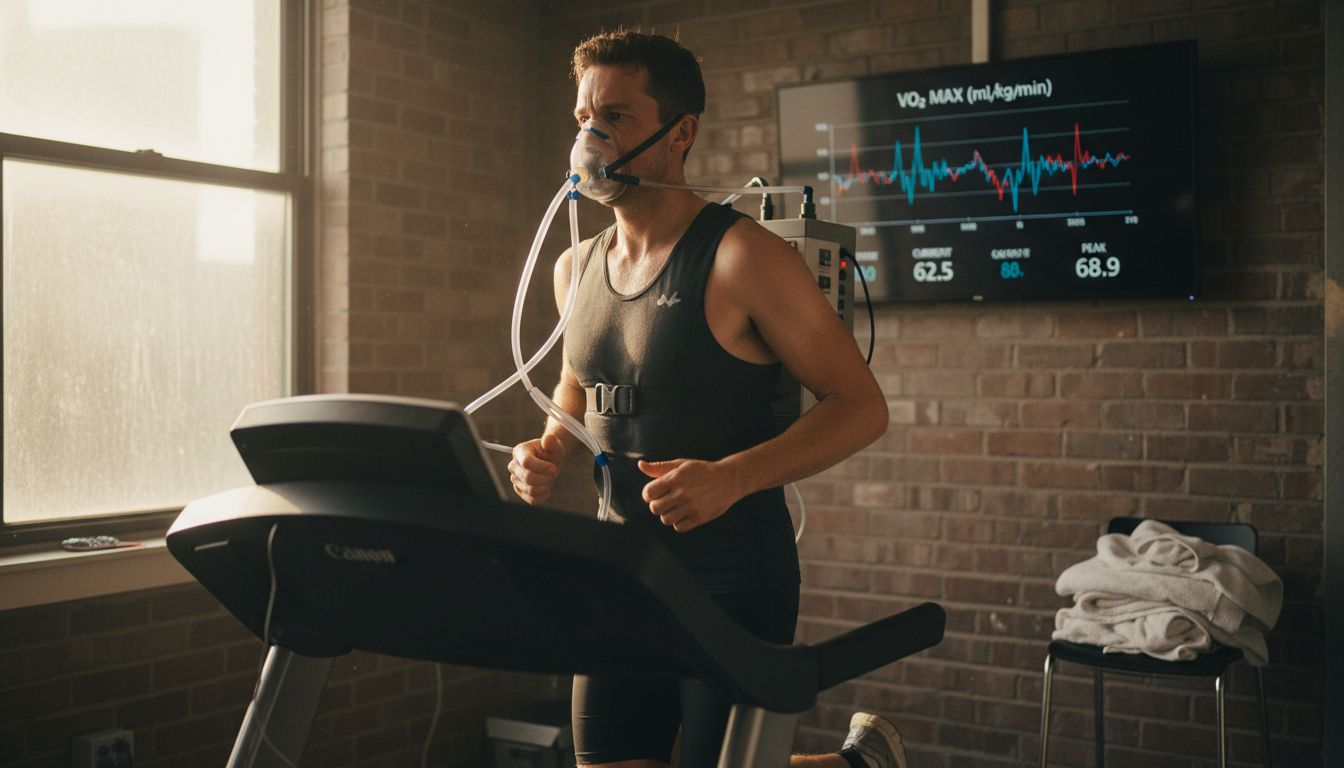
Key parameters include VO2 max, the maximum rate of oxygen your body can use during intense exercise. FatMAX identifies the exercise intensity at which you burn fat most efficiently, crucial for endurance events and body composition goals. Lactate threshold marks the point where lactic acid accumulates faster than clearance, defining sustainable pace limits.
VO2 max testing remains the gold standard to assess aerobic capacity and metabolic responsiveness in athletes. These tests enable precise delineation of training zones, particularly Zone 2 for optimal fat oxidation during long steady efforts. Costs range from $165 to $230 per session, reflecting the specialised equipment and expertise required.
Endurance athletes gain actionable data to structure training intensity and race pacing. Busy professionals pursuing fitness goals benefit from understanding metabolic efficiency under load, optimising limited training time. The VO2 max metabolic test delivers insights that transform generic training plans into personalised performance protocols.
Typical testing protocols follow this sequence:
- Warm up at low intensity whilst equipment calibrates
- Begin incremental exercise increasing workload every few minutes
- Continue until reaching maximal effort or predefined endpoints
- Cool down whilst technicians analyse gas exchange data
- Receive detailed report on metabolic thresholds and training zones
Comprehensive blood biomarker panels
Blood biomarker panels assess systemic metabolic health through multiple markers measured from a single venous draw. Panels typically include glucose regulation markers such as fasting glucose, HbA1c, and insulin, alongside lipid profiles that indicate cardiovascular risk. Thyroid hormones, inflammatory markers, and iron stores round out comprehensive metabolic assessment.
Comprehensive blood panels including inflammatory, hormonal, and metabolic markers provide a multifaceted view for tailoring athlete performance and recovery plans. These tests track chronic health trends invisible during exercise testing, detecting early metabolic syndrome risks, nutrient deficiencies, and inflammatory states that impair recovery.
Clinical labs and some direct-to-consumer services offer these panels. Testing includes fasting glucose, HbA1c, insulin, lipid profile, inflammation and thyroid function markers, supporting personalised nutrition and recovery interventions. Results inform targeted supplementation, dietary adjustments, and lifestyle modifications that optimise metabolic function beyond training adaptations.
This testing suits individuals focused on chronic health optimisation and longevity alongside performance. Busy professionals managing demanding careers benefit from monitoring stress-related metabolic disruption. Athletes can identify hidden limitations in recovery capacity or nutrient status affecting training response.
Key biomarkers to monitor include:
- Fasting glucose and HbA1c for blood sugar regulation
- Lipid panel components including HDL, LDL, and triglycerides
- High-sensitivity C-reactive protein for systemic inflammation
- Thyroid stimulating hormone and free T3/T4 levels
- Ferritin and complete blood count for iron status
- Vitamin D and B12 for common deficiencies
Explore functional health tests for athletes and essential health diagnostics to understand how blood panels integrate with other metabolic assessments. Learn how to assess metabolic markers for recovery optimisation.
At-home metabolic hormone testing
At-home hormone tests measure key metabolic regulators including cortisol, free testosterone, and thyroid stimulating hormone from saliva or dried blood spot samples. At-home metabolic tests measuring hormones like cortisol, free testosterone, and TSH offer monitoring options but with less comprehensive data than clinical lab tests. You collect samples at home following kit instructions, then post them to the lab for analysis.
These tests prove useful for stress management and hormonal balance monitoring, particularly tracking changes over time between clinical assessments. Elevated cortisol patterns reveal chronic stress impacting metabolism and recovery. Low testosterone or suboptimal thyroid function can explain unexplained fatigue, poor training response, or stubborn weight management challenges.
Convenience makes at-home testing appealing for busy professionals unable to schedule frequent lab visits. However, these kits provide less direct metabolic function data compared to gas exchange testing or comprehensive blood panels. Results identify imbalances affecting metabolism but should complement rather than replace thorough clinical metabolic assessments.
Key considerations for at-home testing:
- Sample collection timing affects accuracy, particularly for cortisol patterns
- Quality varies between providers, so research lab accreditation
- Interpretation guidance differs, with some offering practitioner consultations
- Useful for tracking trends but may miss nuances detected in clinical settings
Pro Tip: Use at-home hormone tests to monitor trends and identify when deeper clinical metabolic assessments become necessary, rather than relying on them as standalone diagnostic tools.
Comparison of metabolic tests: accuracy, insights, and use cases
Different metabolic tests deliver distinct insights suited to specific goals and contexts. Understanding their comparative strengths helps you build an effective testing strategy.
| Test Type | Accuracy | Key Insights | Best For | Typical Cost | Accessibility |
|---|---|---|---|---|---|
| RMR Testing | High for resting energy expenditure | Baseline calorie needs, metabolic rate | Weight management, nutrition planning | $85 | Clinical lab visit |
| Exercise Metabolism | Very high for fuel utilisation | VO2 max, training zones, substrate use | Endurance performance, training optimisation | $165-$230 | Specialised lab visit |
| Blood Biomarkers | High for systemic markers | Glucose regulation, inflammation, hormone status | Chronic health monitoring, disease risk | $100-$300 | Clinical or at-home draw |
| At-Home Hormones | Moderate for selected markers | Cortisol patterns, testosterone, TSH | Convenient ongoing monitoring | $80-$150 | At-home collection |
Indirect calorimetry tests like RMR and exercise metabolism deliver direct fuel utilisation and energy expenditure metrics unavailable elsewhere. Blood biomarker panels provide systemic metabolic health indicators without direct energy data but reveal underlying physiological states affecting metabolism. At-home hormone tests cover metabolic regulators yet lack detailed caloric or substrate measurements.
Exercise metabolism tests inform training zones and fuel usage patterns during activity. RMR informs baseline energy needs for daily planning. Costs and accessibility vary significantly: RMR testing remains affordable and widely available, whilst exercise metabolism tests require specialised equipment making them pricier but highly actionable for performance-focused individuals.
Situational recommendations: best metabolism test for your goals
Matching the right test to your specific situation maximises value and actionable insights. Consider these evidence-informed recommendations:
-
Weight management focus: Start with RMR test for weight management to establish accurate baseline calorie needs, removing guesswork from nutrition planning and enabling precise energy balance adjustments.
-
Endurance and performance optimisation: Choose exercise metabolism test for endurance to determine VO2 max, identify optimal training zones, and maximise fuel efficiency during long efforts.
-
Chronic health and disease risk monitoring: Select comprehensive blood panels for metabolic health tracking glucose regulation, inflammation, lipid profiles, and nutrient status over time.
-
Convenient ongoing hormone monitoring: Use at-home hormone testing for regular cortisol, testosterone, and thyroid checks between clinical assessments, particularly useful for busy professionals managing stress.
-
Comprehensive metabolic profiling: Combine RMR testing with blood biomarkers and exercise metabolism assessment when budget allows, creating a complete picture of resting, active, and systemic metabolic function.
Your testing strategy should evolve as goals change and data accumulates. Initial baseline testing establishes starting points, whilst periodic retesting tracks adaptations and informs protocol adjustments.
Enhance your metabolic health with AI Healthician testing solutions
Struggling to find metabolic testing that delivers genuinely actionable insights? AI Healthician offers advanced metabolism assessments designed specifically for athletes and busy professionals demanding precision.

Choose from comprehensive resting metabolic rate test options establishing your calorie baseline, or explore active metabolic test options including VO2 max analysis for performance optimisation. Our DNA health testing collection reveals genetic metabolic predispositions that inform long-term strategy. Convenient online ordering combines with expert interpretation support, transforming raw data into personalised protocols. Stop guessing about your metabolism and start measuring what matters for genuine performance, recovery, and health gains.
Frequently asked questions
What is the difference between resting metabolic rate and exercise metabolism testing?
RMR measures calories burned at complete rest, establishing your baseline daily energy needs for nutrition planning and weight management. Exercise metabolism testing assesses fuel utilisation during physical activity, determining training zones and substrate usage patterns that optimise performance and endurance adaptations.
Can at-home metabolic hormone tests replace clinical metabolic testing?
At-home hormone tests offer convenient monitoring but provide less comprehensive data than clinical assessments. They work best for tracking cortisol, testosterone, and thyroid trends between deeper metabolic evaluations rather than serving as standalone diagnostic tools for serious metabolic dysfunction.
How often should I repeat metabolic testing?
Testing frequency depends on your goals, budget, and the specific assessment type. RMR testing every three to six months tracks metabolic adaptation as body composition changes. Exercise metabolism tests can be repeated when training focus shifts or performance plateaus occur, whilst blood panels typically run quarterly to biannually.
Are blood biomarker panels useful for athletes as well as professionals?
Blood panels monitor metabolic health markers valuable to both athletes and busy professionals, detecting nutrient deficiencies, inflammatory states, and metabolic syndrome risks. Athletes gain insights into recovery capacity limitations, whilst professionals track stress-related metabolic disruption affecting energy and performance.
What is the typical cost range for metabolic tests?
RMR tests usually cost around $85, making them accessible for most budgets. Exercise metabolism assessments including VO2 max range from $165 to $230 depending on protocol complexity. Blood biomarker panels vary from $100 to $300 based on markers included, whilst at-home hormone tests typically run $80 to $150 per kit.


